Kindergarten
Little Hands, Big Ideas
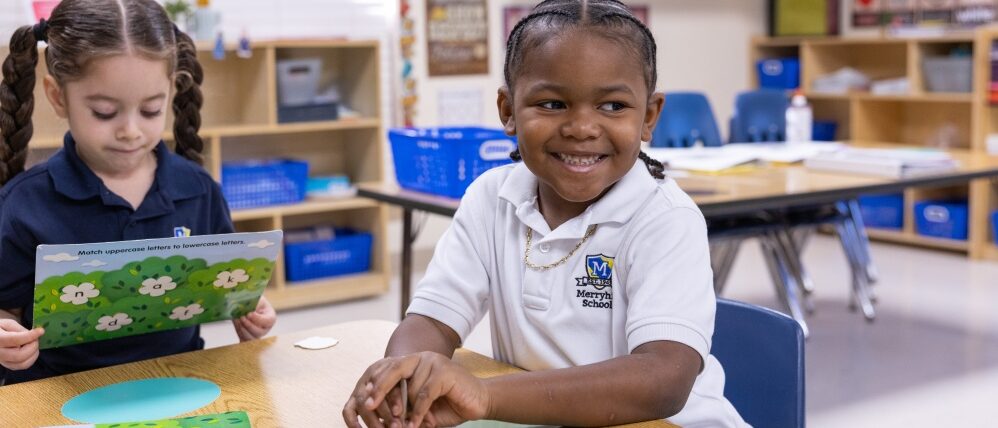
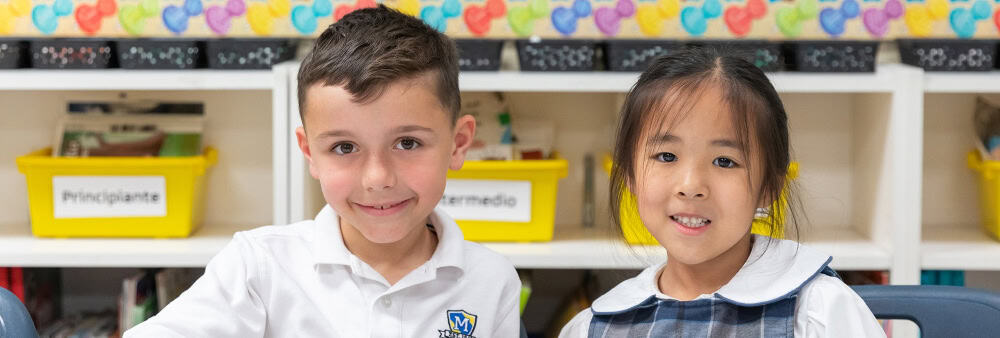
At Merryhill School, a premier private school, kindergartners receive individualized attention and are encouraged to participate, challenged to think independently, and supported as they try new things and grow. We believe every day presents opportunities for children to build the confidence, resilience, and independence they need for success in elementary school, middle school, high school, and beyond.
How We Teach: The Merryhill Method
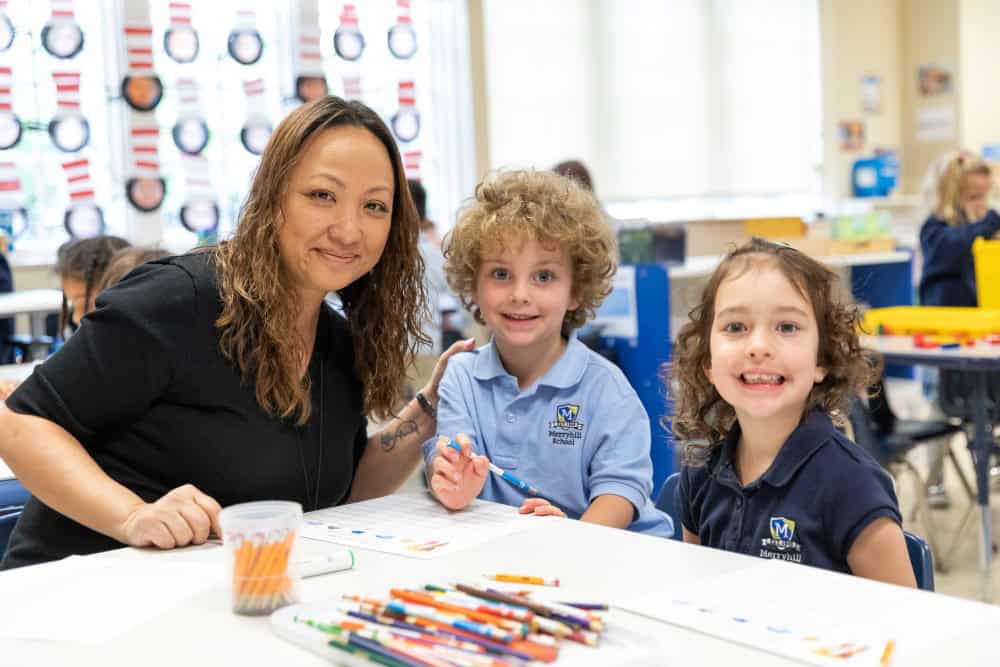
Built on the foundational pillars of confidence, resilience, and independence, the Merryhill Method develops capable, adaptable individuals through active participation in their own learning. In our private kindergarten, that means a classroom where every child is known by name, invited to try, and given chances to lead.
Confidence
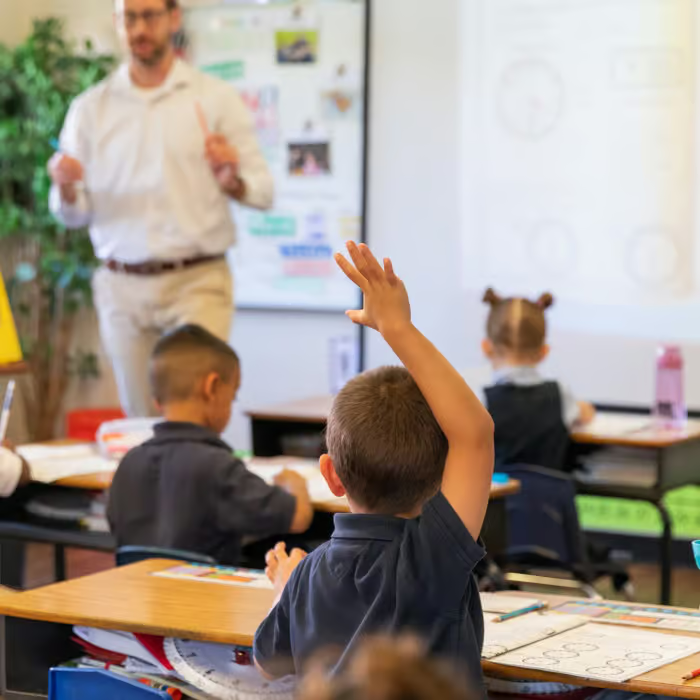
Children who feel emotionally safe take more intellectual risks. In Kindergarten, that starts small with raising a hand at Morning Meeting, sharing an idea out loud, and trying a new activity on their own.
Resilience
Students learn to navigate challenges and keep going — a tower that falls, a word that doesn’t sound right, a puzzle piece that won’t fit. Kindergarten gives them the encouragement to try again.
Independence
Students take ownership of their learning and their environment. They learn to follow essential classroom routines, clean up materials without being asked, and lend a helping hand to a friend.
Ready to see the Merryhill Method at work in a real Kindergarten classroom?
Kindergarten Curriculum at a Glance
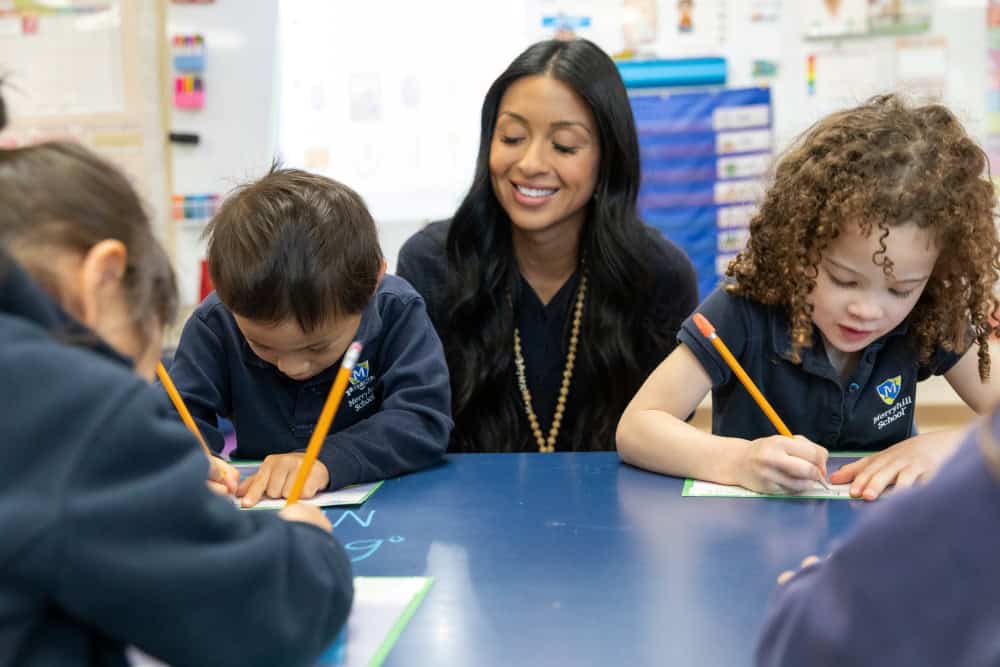
- Masters letter recognition by naming all upper- and lowercase letters, and connects letters to their sounds
- Blends and segments sounds to decode simple words, and reads common sight words
- Retells a story’s characters, setting, and key events after a read-aloud
- Composes stories and explanations through a combination of drawing, dictating, and writing
- Speaks up in group discussions, asking and answering questions about what they’ve read
- Counts to 100 by ones and by tens, and reads and writes numerals 0-20
- Adds and subtracts within 10, using objects and drawings
- Names, sorts, and compares shapes as 2D or 3D
- Measures, compares, and sorts objects by length, weight, and other attributes
- Builds early understanding of time, the calendar, and coin values
- Names classroom, family, and community roles, and how each one helps a group succeed
- Practices collaborative learning, essential social skills, and cooperation by sharing, taking turns, listening, and solving problems together
- Sequences events in their own life and compares life today with the past
- Explores how weather, land, and place shape the way people live
- Compares traditions and celebrations across cultures and families
- Investigates how a push or pull changes an object’s speed or direction
- Explores how sunlight warms the earth, and observes the sun’s path across the sky
- Learns what plants and animals, including humans, need to grow and survive
- Tracks daily weather and notices patterns over time
- Applies critical thinking skills to designs, tests, and improves a simple solution to a real problem
- Uses digital tools, with guidance, to support a learning goal
- Practices early technology routines: logging in, saving work, using simple word-processing tools
- Begins to understand what it means to be safe and kind online
- Uses simple charts and graphs to display information
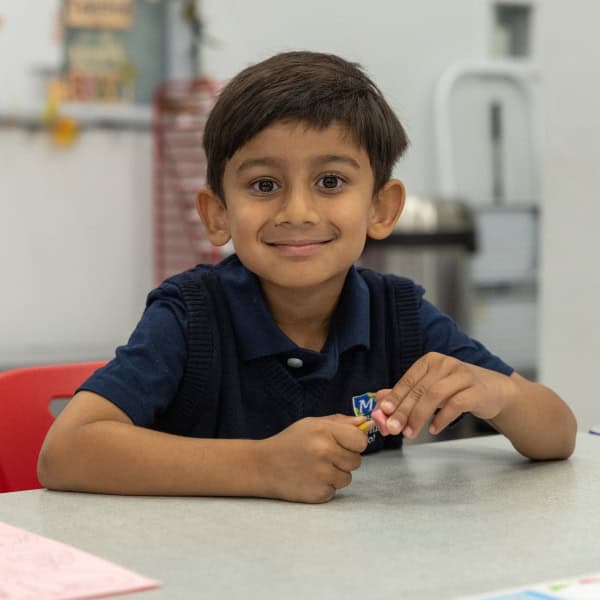
“My child is known by name at Merryhill, not just by her teacher, but by everyone. From the front office to the classroom, everyone treats her like she belongs.”
– Chris M., Kindergarten parent
“My son is leaving Kindergarten reading, writing, and doing math well beyond where I expected. Merryhill built the foundational literacy skills he’ll need for first grade.”
– Kelly L., Kindergarten parent
“The biggest change I’ve seen in my son isn’t academic. It’s the confidence and excitement he now has for learning. Thank you, Merryhill!”
– Bethanie C., Kindergarten parent
Kindergarten Specialty Classes
Kindergarten FAQs
Yes. Academic excellence is central to every day of our private kindergarten program. What’s different is how it’s built: confidence, resilience, and independence make up the engine that powers reading, writing, and math skills.
In our Kindergarten classrooms, students make choices daily, such as picking an activity, asking a question during story time, and helping a classmate clean up. Active participation helps turn small choices into real confidence.
Likely, yes. Montessori is an educational philosophy developed by Dr. Maria Montessori that emphasizes independence, hands-on learning, exploration, and allowing children to take an active role in their learning. Montessori classrooms often give children choices in what they work on and encourage them to learn at their own pace, with teachers guiding and supporting their progress. Many of these ideas are similar to what we value through the Merryhill Method, particularly helping children become confident, independent learners who are willing to try, solve problems, and take ownership of their learning.
At Merryhill, we believe strong academics and personal development work together. Children are explicitly building foundational academic skills while also learning to participate, communicate, solve problems, take ownership, handle challenges, and keep trying. Teacher guidance, small group instruction, and peer support are an active part of that learning experience, rather than the classroom being primarily organized around independent child choice.
For families transitioning from a Montessori school, the Merryhill Method can be a natural next step. Children can continue to build on the confidence, independence, curiosity, and problem-solving skills they have developed in a Montessori environment while also benefiting from more intentional teacher-led academic instruction and opportunities to learn alongside their peers.
Sparingly and with guidance. Students are introduced to basic technology tools and start learning what it means to use technology safely.
Yes. Kindergarten skills are sequenced to build directly into 1st grade. By the end of the year, your child will be reading simple texts, adding and subtracting within 10, and writing complete sentences. Learn more about our elementary curriculum.